Optimizing Customer Success: An In-Depth Analysis of Top-Rated CRM Platforms for Customer Support

#
The Strategic Imperative of Support-Centric CRM




In the contemporary digital economy, customer support has transitioned from a reactive back-office function to a primary driver of brand loyalty and competitive differentiation. As businesses scale, the complexity of managing customer interactions across multiple touchpoints increases exponentially. A Customer Relationship Management (CRM) system specifically optimized for customer support is no longer a luxury but a fundamental requirement for operational efficiency. Unlike traditional CRMs that focus solely on the sales funnel, support-centric CRMs are designed to streamline issue resolution, centralize communication, and provide a 360-degree view of the customer journey.

Essential Features of a Top-Tier Support CRM
To be classified as top-rated, a CRM must go beyond basic ticket management. It must offer a robust suite of tools that empower agents and satisfy customers. Key features include:
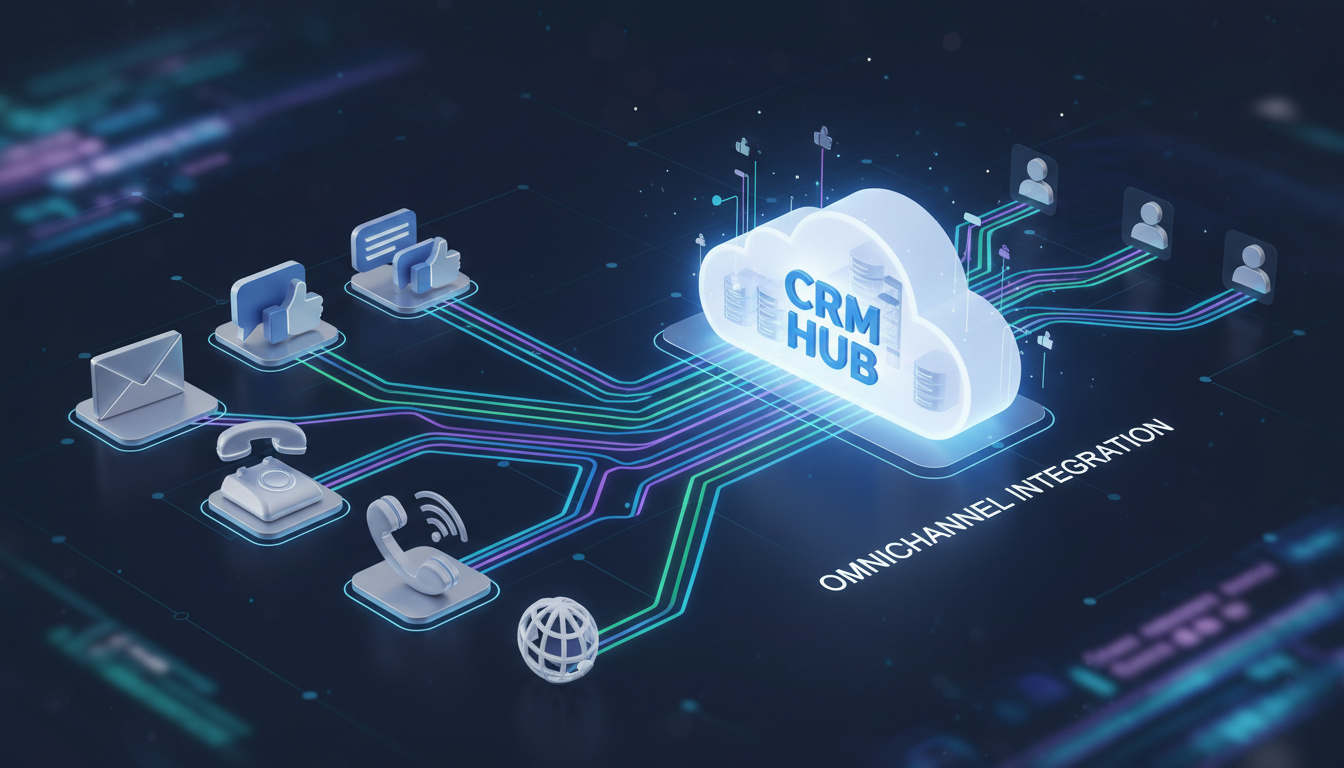
1. Omnichannel Integration: The ability to consolidate queries from email, live chat, social media, and phone into a single unified dashboard is paramount. This ensures that no customer request is overlooked and provides agents with the context of previous interactions.
2. Advanced Automation and Workflow Orchestration: Automation of repetitive tasks—such as ticket routing, status updates, and follow-up emails—allows support teams to focus on complex problem-solving. Intelligent routing ensures that tickets are directed to the agent with the most relevant expertise.
3. Comprehensive Knowledge Base Management: Modern CRMs allow companies to host self-service portals. By providing customers with a searchable repository of articles and FAQs, businesses can reduce ticket volume and improve customer satisfaction through immediate self-resolution.
4. Real-time Analytics and Reporting: Data-driven insights are critical for continuous improvement. Top-rated systems offer detailed reports on First Response Time (FRT), Average Resolution Time (ART), and Customer Satisfaction (CSAT) scores.
Comprehensive Review of Leading Support CRM Platforms
#
1. Salesforce Service Cloud
Salesforce remains the industry benchmark for enterprise-level CRM solutions. Its Service Cloud offering is a powerhouse of functionality, leveraging the Einstein AI engine to provide predictive insights and automated recommendations. Its primary strength lies in its infinite scalability and deep customization. For large organizations with complex workflows, Salesforce provides a level of depth that few competitors can match. However, its complexity often necessitates a dedicated administrator and a significant training budget.
#
2. Zendesk
Zendesk is widely regarded as one of the most user-friendly and specialized platforms for customer service. Unlike general-purpose CRMs, Zendesk was built from the ground up with support in mind. It excels in its simplicity of setup and its ‘Sunshine’ platform, which allows for flexible data integration. Its ticketing system is highly intuitive, making it a favorite for mid-to-large-sized enterprises that prioritize agent experience and rapid deployment.
#
3. HubSpot Service Hub
HubSpot has revolutionized the market by offering a deeply integrated suite of tools that bridge the gap between sales, marketing, and service. The Service Hub is particularly effective for businesses already utilizing the HubSpot ecosystem. Its seamless data flow ensures that a support agent knows exactly what a customer was promised during the sales process. While it may lack some of the granular technical configurations of Salesforce, its ease of use and ‘freemium’ entry points make it highly attractive for growing businesses.
#
4. Freshdesk (by Freshworks)
Freshdesk is celebrated for its modern interface and accessibility. It offers a comprehensive set of features—including AI-powered chatbots (Freddy AI) and gamification elements to keep support agents engaged. Freshdesk is particularly well-suited for Small to Medium-sized Businesses (SMBs) that require a robust feature set without the enterprise-level price tag. Its ability to scale from a few agents to hundreds makes it a versatile choice.
#
5. Zoho Desk
Zoho Desk differentiates itself through affordability and its context-aware support capabilities. It is part of the extensive Zoho suite, offering excellent value for money. One of its standout features is the ‘Zia’ AI assistant, which can identify sentiments in customer tickets and suggest responses. For organizations looking for a feature-rich CRM that integrates with a wide variety of business apps at a competitive price, Zoho Desk is a formidable contender.
The Role of Artificial Intelligence in Modern Support
The integration of Generative AI and Machine Learning has fundamentally altered the support landscape. Modern CRMs now utilize AI to summarize long email threads for agents, draft empathetic responses, and even predict when a customer is at risk of churning. Predictive analytics can identify patterns in support tickets that suggest a broader product issue, allowing companies to be proactive rather than reactive.
Strategic Considerations for Selection
Choosing the right CRM requires a meticulous evaluation of organizational needs. Decision-makers must consider the total cost of ownership (TCO), which includes licensing, implementation, and ongoing maintenance. Furthermore, the UI/UX of the platform is critical; a CRM that is difficult to navigate will lead to agent fatigue and decreased productivity. Integration capabilities are equally vital; a support CRM must communicate effectively with existing ERP, e-commerce, and communication tools (like Slack or Microsoft Teams).
Conclusion
In conclusion, the selection of a CRM for customer support is a strategic investment in the brand’s future. Whether an organization chooses the expansive power of Salesforce, the specialized focus of Zendesk, or the integrated simplicity of HubSpot, the goal remains the same: to provide a frictionless, empathetic, and efficient experience for the customer. As technology continues to evolve, the most successful organizations will be those that leverage these sophisticated tools to build deeper, more meaningful relationships with their clientele.