Revolutionizing Growth: The Strategic Integration of Marketing Automation and CRM

Revolutionizing Growth: The Strategic Integration of Marketing Automation and CRM
In the contemporary digital landscape, the intersection of Customer Relationship Management (CRM) and marketing automation represents a significant paradigm shift in how organizations manage their customer life cycle. As businesses strive for greater efficiency and deeper customer engagement, the synergy between these two technologies has evolved from a competitive advantage to a fundamental necessity. This article explores the intricate relationship between marketing automation and CRM, detailing how their integration drives scalable growth, enhances data integrity, and fosters unparalleled customer loyalty.
Understanding the Core Synergy

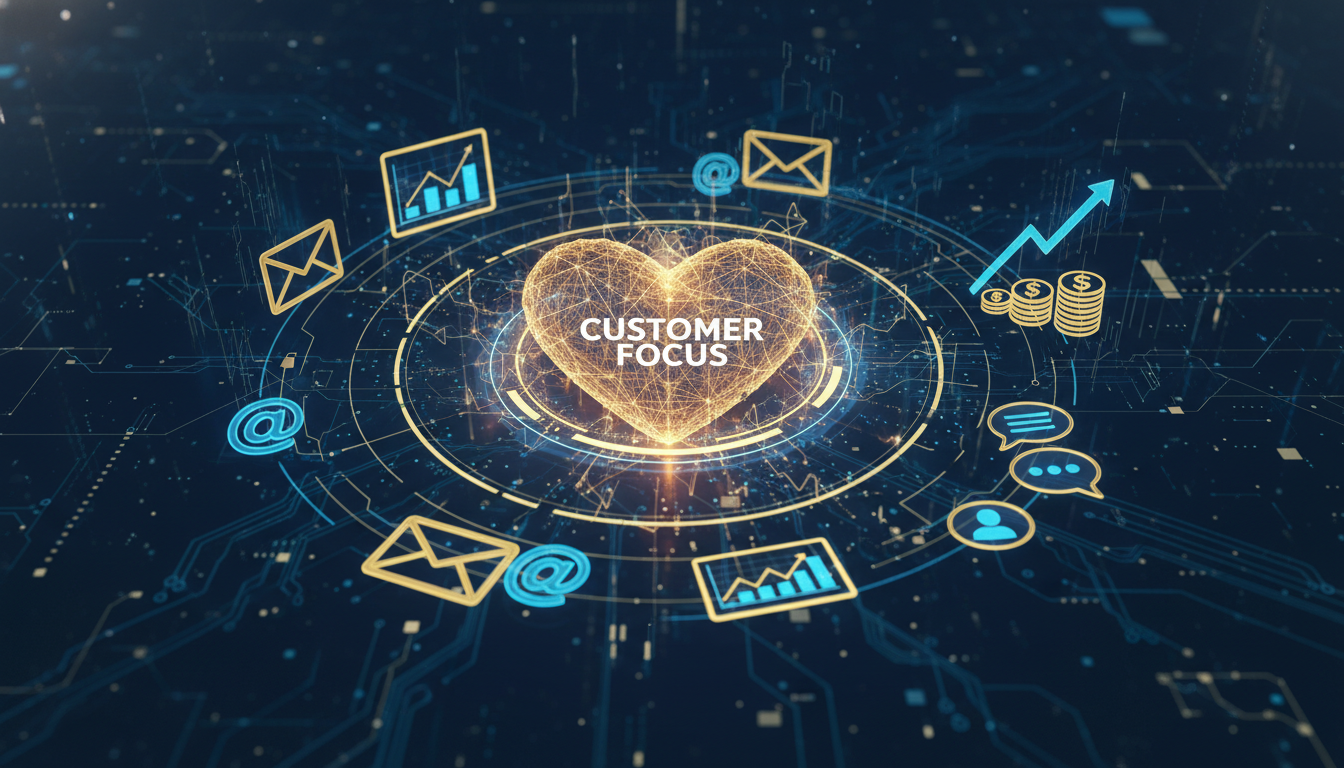
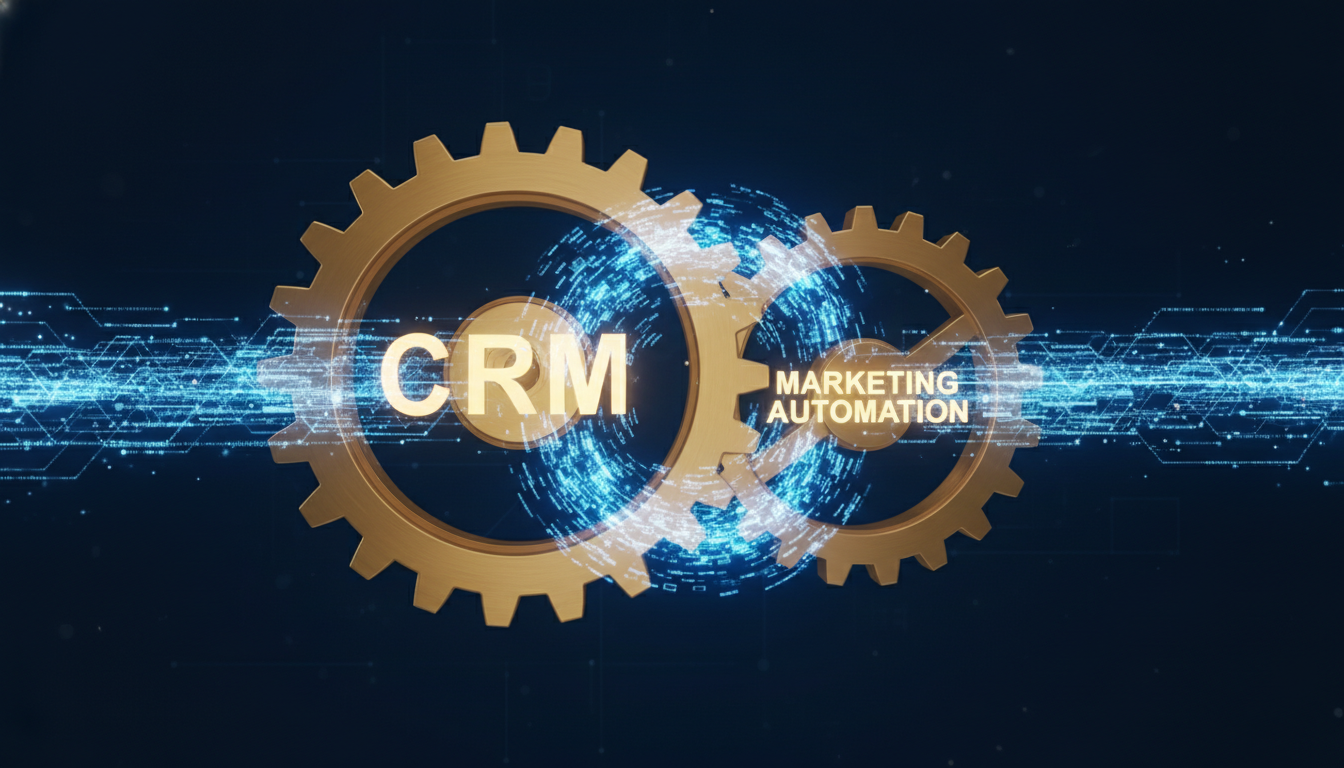
At its essence, a CRM system serves as the centralized repository for all customer information, interactions, and historical data. It is the “system of record” that provides a 360-degree view of the lead or client. Marketing automation, on the other hand, is the “execution engine.” It utilizes the data stored within the CRM to deliver personalized, timely, and relevant content across various digital channels without manual intervention.
When these two systems are seamlessly integrated, the flow of data becomes bidirectional. Marketing automation feeds the CRM with behavioral data—such as website visits, email clicks, and content downloads—while the CRM provides the automation platform with demographic and transactional data to trigger specific workflows. This integration eliminates departmental silos, ensuring that both marketing and sales teams operate from a single source of truth.

The Strategic Benefits of Integration
1. Personalized Customer Journeys at Scale
One of the most profound benefits of marketing automation with CRM is the ability to deliver hyper-personalized experiences to thousands of prospects simultaneously. By leveraging CRM data, marketers can segment their audience based on specific criteria such as industry, job role, or previous purchase history. Automation workflows can then deliver tailored messaging that resonates with each segment’s unique pain points, moving them through the sales funnel with precision.
2. Enhanced Lead Nurturing and Scoring
Not all leads are created equal. Through lead scoring—a feature made possible by the integration of these systems—organizations can assign values to prospects based on their engagement levels. For instance, a lead who downloads a whitepaper might receive 20 points, while one who visits the pricing page receives 50. Once a lead reaches a predetermined threshold, the CRM automatically notifies the sales team, ensuring that sales representatives focus their efforts on the most “sales-ready” prospects, thereby increasing conversion rates.
3. Improved Sales and Marketing Alignment (Smarketing)
Historically, marketing and sales departments have often been at odds regarding lead quality and follow-up. Integrated systems foster “Smarketing,” where both teams share the same goals and metrics. Marketing can see which campaigns generate the highest-value customers, while sales gains visibility into the marketing touchpoints a lead encountered before the first sales call. This transparency builds trust and optimizes the entire revenue-generating process.
Implementation Strategies for Success
To derive maximum value from marketing automation and CRM integration, organizations must follow a structured implementation approach:
Data Hygiene and Governance
Automation is only as effective as the data that fuels it. Before integration, it is critical to perform a comprehensive data audit. This involves removing duplicates, correcting inaccuracies, and standardizing data entry protocols. Maintaining high data hygiene ensures that automated communications are sent to the right people with the correct information, preventing embarrassing errors that could damage brand reputation.
Mapping the Customer Journey
Organizations must clearly define every stage of their customer journey. What triggers a lead’s movement from the awareness stage to the consideration stage? By mapping these transitions, businesses can create automated workflows that trigger the right content at the exact moment a prospect requires it. This strategic alignment ensures that no lead falls through the cracks.
Selecting the Right Technology Stack
While many CRM platforms offer built-in automation features, some businesses require specialized third-party automation tools. It is essential to choose software that offers robust API support and native integrations to ensure a smooth flow of data. Compatibility, scalability, and ease of use should be the primary considerations when selecting the tech stack.
Overcoming Common Challenges
Despite the benefits, the path to successful integration is often fraught with challenges. One common hurdle is the complexity of setting up intricate workflows. To mitigate this, organizations should start with simple automations—such as a welcome email series—and gradually build more complex logic as they become more proficient.
Another challenge is the risk of over-automation. While efficiency is the goal, customers still value human connection. It is vital to strike a balance between automated efficiency and personalized human outreach, particularly in B2B environments where high-ticket deals often require a personal touch to close.
The Future: AI and Predictive Analytics
The future of marketing automation with CRM lies in Artificial Intelligence (AI) and machine learning. We are moving toward an era of “predictive marketing,” where systems can analyze historical CRM data to predict future customer behavior. AI can determine the best time to send an email, suggest the most effective subject line, and even identify which customers are at risk of churning before it happens. This proactive approach allows businesses to intervene early and maintain high retention rates.
Conclusion
The integration of Marketing Automation and CRM is no longer an optional luxury for businesses; it is the backbone of a modern, data-driven growth strategy. By synchronizing these tools, companies can achieve a level of efficiency and personalization that was previously unimaginable. From lead scoring and nurturing to profound sales alignment and predictive analytics, the benefits are clear. Those who master this integration will not only survive the complexities of the digital marketplace but will thrive by building deeper, more meaningful relationships with their customers at every touchpoint.